The Mission
Create a unified motion system for IFIRMA that connected brand storytelling, UI design, and marketing into one consistent visual language. The goal was to express innovation and trust through precision-crafted motion.
The Outcome
A cohesive motion design system with scalable templates, simplified app visuals, and reusable assets that streamlined production while elevating brand clarity across all video formats.
The Impact
Improved audience retention by 53%, produced over 100 branded videos, and established a motion identity that strengthened brand recognition across platforms.
Client
Services
- Motion Design Systems
- Brand & Product Animation
- Creative Direction & Workflow Design
- UI & Interaction Animation
- Voiceover Generation
- Voiceover Editing & Synchronization
Software used
- After Effects
- Figma
- Photoshop
- Illustrator
When I joined IFIRMA, the brand was already well established in the world of accounting software, but its motion presence was still forming. Videos, app demos, and social campaigns all had different rhythms and visual styles. My role as Motion Design Art Director was to build a cohesive system that unified every moving element of the brand. From YouTube explainers to product animations, I wanted IFIRMA to feel modern, intelligent, and unmistakably consistent wherever it appeared.
Defining the Motion Language
The foundation of the motion identity was shaped by my guiding idea: “Where Precision Meets Progress.” Every decision in timing, spacing, and energy reflected this balance. I wanted the animations to express trust and professionalism, but also the forward-thinking nature of a digital accounting company.
Our movements became measured and confident. Each transition, reveal, and easing curve was designed to feel intentional and calm, mirroring the reliability of accounting while keeping a sense of innovation alive. No flashy transitions or exaggerated effects, only clear and thoughtful motion that enhanced understanding and guided attention.
Building a Scalable System
Once the visual direction was defined, I focused on turning it into a usable system. IFIRMA produced content continuously, from tutorials and interviews to app walkthroughs and ads, so the challenge was to maintain quality at scale.
I built a library of After Effects templates and motion components that became the backbone of our workflow. These tools standardized animation behavior, typography motion, and layout transitions while leaving room for creative flexibility. Every component followed the same logic of simplicity, precision, and subtle energy.
One of the most satisfying moments came when a new designer joined the team. I shared my templates, and his first video was perfectly aligned with the brand without extra corrections. That was proof the system worked, not just creatively but operationally.
Motion Components in Practice
Lower Thirds were the first major building block. They adjusted automatically to text length, used smooth slide-up reveals, and kept animation timing consistent across all videos. This small element quickly became a visual anchor for our interviews and educational series, saving hours of manual setup.
Next came the Icon Bar, a dynamic component used in intros and transitions. It combined icons, color options, and responsive behavior, allowing us to reuse it across formats without rebuilding. The design stayed consistent whether the video was a tutorial, social ad, or internal announcement.
The Title Board component brought flexibility and consistency to our video production. It featured a responsive layout that adapted to different text lengths, ensuring every title looked balanced and professional. Creators could choose between two theme options, white or blue, to match the context and style of the video. With this system, titles could be quickly customized while maintaining a cohesive brand look across all content, making every video feel polished and on-brand.
We also developed endplates, overlays, and motion boards for titles and transitions. Each one shared the same timing logic and visual rhythm. Together, these elements created a recognizable language that tied all our content together.
Collaboration and Integration
This initiative went beyond animation itself. I worked closely with UX and product teams to create simplified versions of the web app that could be used in motion. These UI animations helped us explain features and workflows in a clear, visual way. It was important to keep the interface grounded in reality but designed for clarity and engagement.

Collaboration with the marketing and content teams helped us align storytelling across channels. Motion became not just a design tool, but a shared language across departments. It brought consistency, efficiency, and emotional coherence to every video we released.
Simplifying the App for Motion
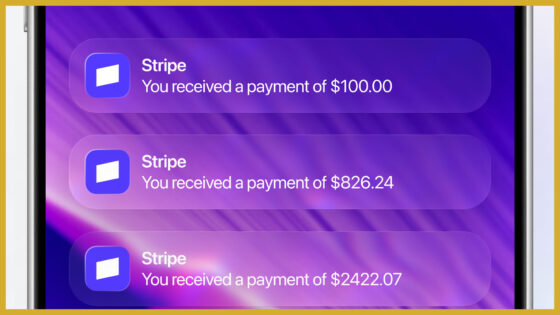
A key part of the project was supervising the simplification of IFIRMA’s web app visuals for animation. We created dozens of streamlined views of the interface that could be animated clearly and professionally. These simplified screens became the foundation for many retargeting and social media ads.

By reducing visual clutter and focusing on essential UI elements, I was able to produce animations that were immediately understandable and visually appealing. Each interaction was clear, each transition smooth, and the overall motion reflected both precision and modernity. The simplified UI allowed me to communicate complex processes quickly while keeping the look polished and professional.
Impact
Over time, the results became clear. We launched more than 100 branded videos and ads, improved YouTube audience retention by 53%, and built a recognizable, unified presence across all digital touchpoints. Our production workflow became faster and more reliable, giving the team more space for creativity and experimentation.

Reflection
Creating the IFIRMA motion system showed me how design systems can balance art and structure. Once the foundation was solid, motion became effortless to scale. Each animation carried the same voice, yet every project had room to evolve.
For me, the most rewarding part was seeing motion not as decoration but as communication. It connected people to the brand story, guided attention, and quietly built trust. That is what precision and progress look like in motion.
Ready to show your
innovative ideas?
Tell me about your project and goals. I would love to help.