The Mission
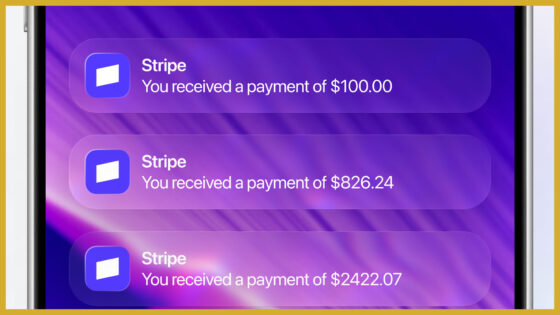
Create a motion piece to introduce Stripe’s Borderless Financial Accounts at Sessions 2025—bringing clarity, energy, and storytelling to a complex global product.
The Outcome
A concise, brand-aligned launch video crafted for X and LinkedIn, blending expressive motion design with clean UI animation to drive sign-ups during the event.
The Impact
The video earned 1.8M+ views on X and strong engagement across social channels, successfully generating awareness and interest during the product’s private preview phase.
Client
Services
- Storyboard development
- Motion Graphics
Software used
Figma
Illustrator
Zoom
After Effects
What is Borderless Financial Accounts?
At Stripe Sessions 2025, Stripe introduced Borderless Financial Accounts—a stablecoin-powered way for users in over 100 countries to access, hold, and move dollars without relying on traditional banking rails. It’s built for startups and SMBs in markets where Stripe doesn’t yet support payouts, enabling them to send and receive funds in USDC or USDB, and cash out via wire, ACH, or crypto.
Aligning with Sessions
This video was created specifically for social media during Stripe Sessions 2025, with the goal of acting as a seamless companion to the event. While it wasn’t featured in the keynote itself, it was designed to resonate alongside the core announcements—targeting audiences on X and LinkedIn during the product launch window.
Stripe’s team provided the event brand system developed by PORTO ROCHA, which was both thoughtful and easy to implement. I adapted its color palette, typography, and motion principles to translate the Sessions identity into a cohesive video experience.
Shaping the Story in Motion
Beyond motion design, I led the concept development and created the initial storyboard. We worked directly in Figma, starting with a version that explored multiple visual directions—including a two-part structure built around expressive typographic moments.

As the product narrative came into clearer focus, we iterated collaboratively—shaping a more streamlined, informative flow. We landed on a single narrative arc with bold UI close-ups that prioritized clarity and product comprehension. The result balanced storytelling with strategic focus: showing how users sign up and get paid, while reinforcing Stripe’s positioning in the global fintech space.
Adapting with the UI
As production progressed, the product UI evolved—which meant the storyboard had to evolve, too. I collaborated with the product team to stay synced on the latest designs, updating scenes as new layouts came in.
One moment I was especially proud of—a beautifully animated line graph—was eventually cut when the dashboard was simplified. It was a tough call, but the cleaner layout made the story easier to follow. In motion design, clarity often wins over complexity.
Microinteractions that add Life
Small touches go a long way in motion design, especially when you’re animating interfaces. I brought in subtle microinteractions—things like icon animations and hover states—to give the dashboard scenes a more human, responsive feel.
Not all of these made the final cut, but they helped define the tone. These small details add up, and for me, they’re part of what makes motion for product UI so engaging. When done right, they guide the story without ever needing to explain it.
Building for Iteration
Animating data tables might sound dull, but I love them. There’s something elegant about making transactional data feel fluid and alive.
I built a system around a single source row, using sliders and dropdowns to dynamically change currency, payment type, and amount. That made it easy to iterate as the product team updated the visuals. Instead of rebuilding every animation, I just swapped values—saving hours while keeping everything consistent.
The Hidden QR Code
One of my favorite moments in the animation is a quiet detail hidden in plain sight. On the “Add Money” screen, the QR code wasn’t just for show—I replaced the placeholder with a fully functional QR code and carefully adjusted its dot pattern to match the visual style of the interface. If you pause the video and scan it, it leads to Stripe’s crypto site.
It’s a small touch, but one that rewards close attention. A subtle nod to those who dig a little deeper.
Focusing the Frame
To highlight the “Move Money” feature, I removed much of the dashboard sidebar to reduce visual noise. That allowed for tighter zooms and cleaner compositions—especially important for mobile viewers on X and LinkedIn.
With less clutter, we could focus on the user journey: connecting a wallet, choosing payout methods, and sending funds. It’s always a balance between fidelity and clarity, and in this case, less was definitely more.
Closing with the Globe
The final scene features a rotating globe—connecting the animation back to Stripe’s keynote graphics and earlier brand visuals. It represents the promise of Borderless Financial Accounts: the ability to send and receive money globally, without the usual friction.
I animated the globe from scratch, inspired by earlier Stripe motion work. It was another moment where I had to recreate something without access to the original files—but that kind of puzzle-solving is part of what I enjoy about motion design. It’s about solving with both logic and feel.
Ready to show your
innovative ideas?
Tell me about your project and goals. I would love to help.